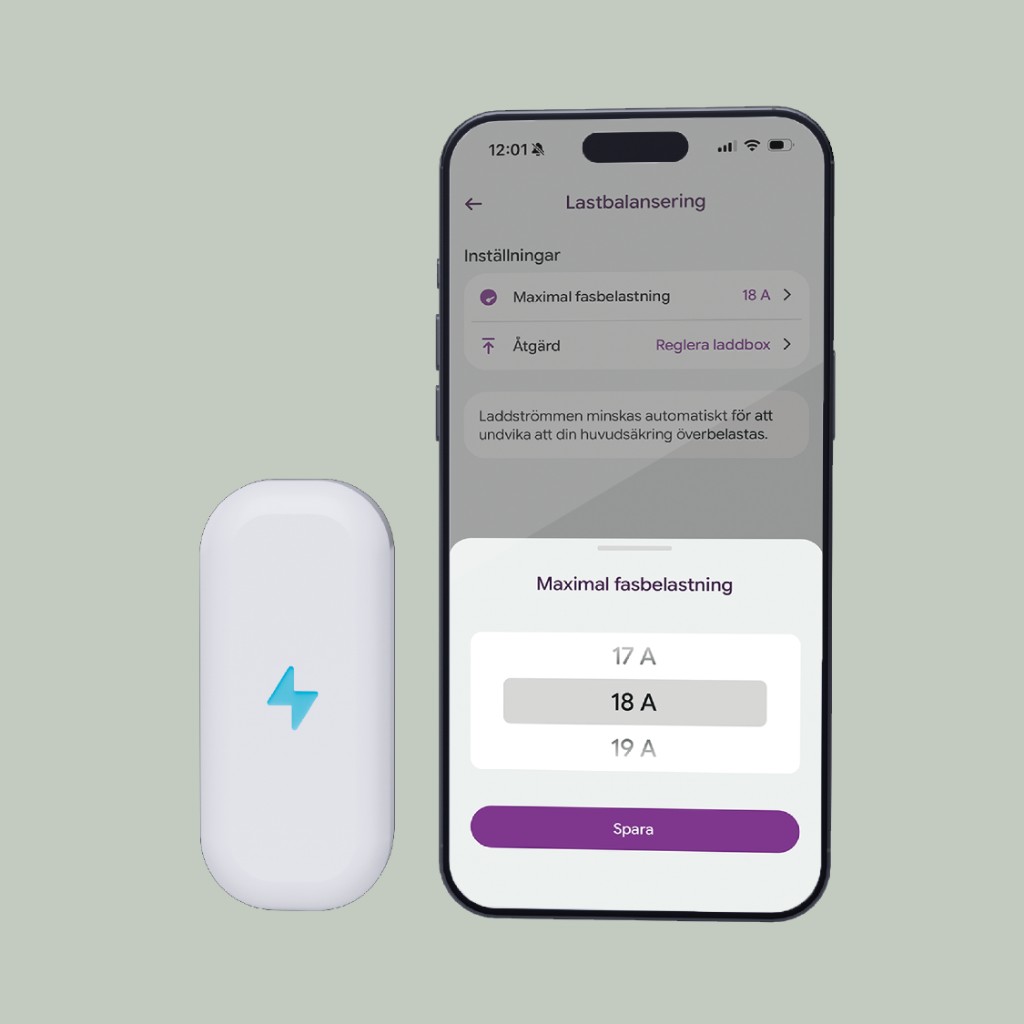
Load balancing
Load balancing adjusts EV charging when other electricity use increases. That reduces the risk of the main fuse tripping.
See load balancing
Smart Charging
The customer chooses when the car should be charged and how much energy it needs. Power Flow schedules charging for the cheapest hours within those boundaries.
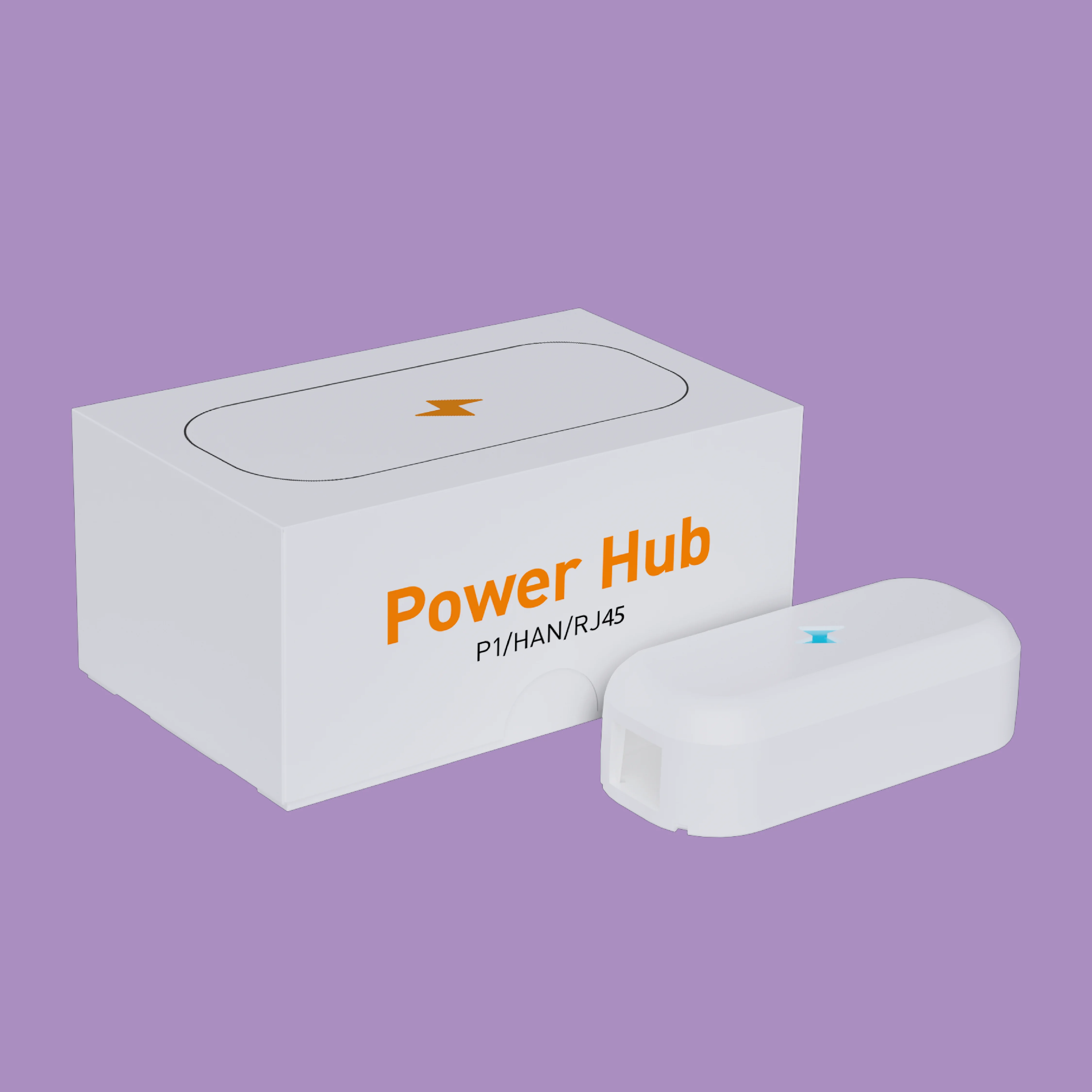
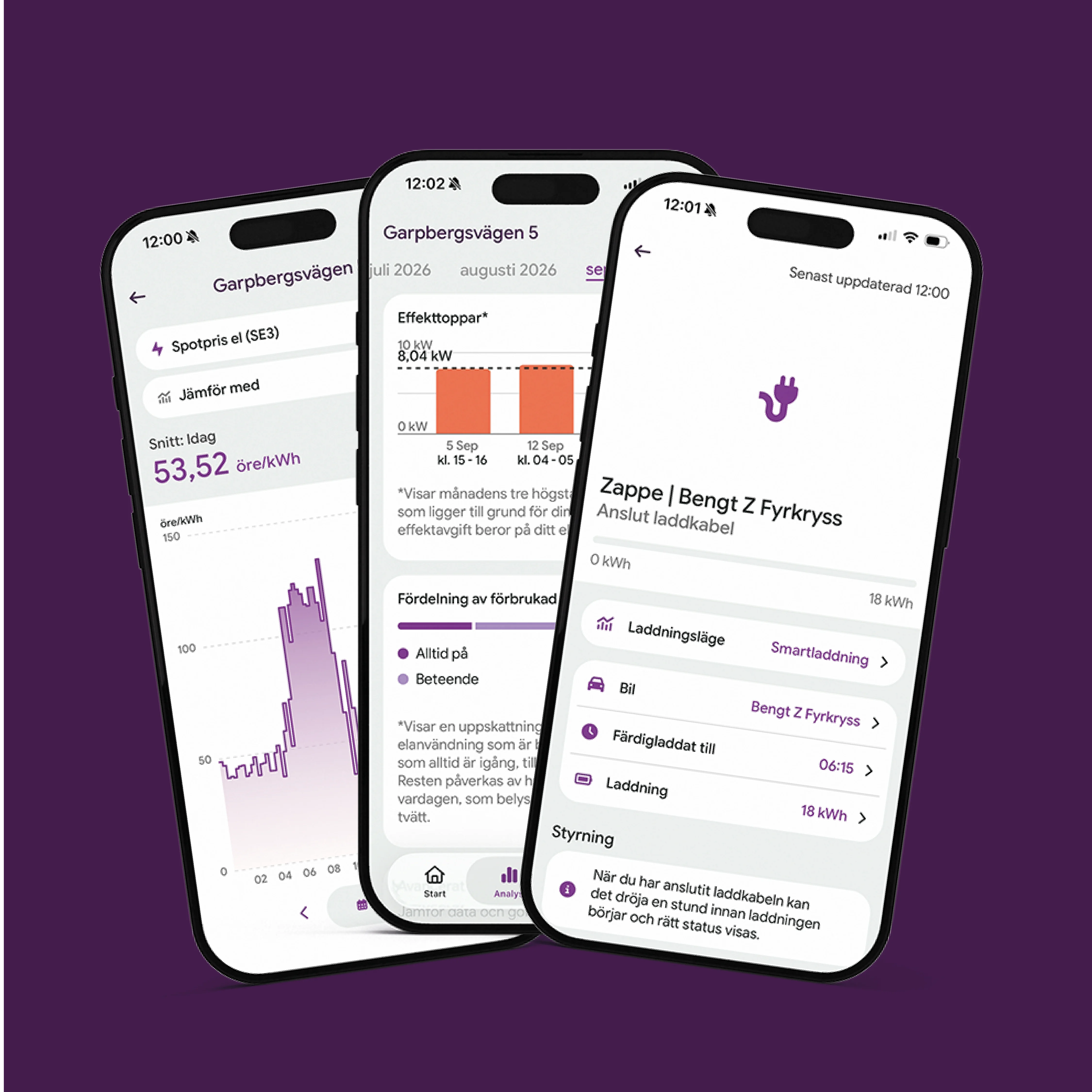
Calculate the savings
Move the slider for an estimate of the possible saving for an EV customer based on the car's annual driving distance.
The estimate is based on historical charging data from cars using our algorithms and consumption of 18 kWh/100 km. The result varies with the car, electricity price and charging pattern.
Estimated saving
1 485 SEK/year
The electricity price determines which hours are chosen, within the boundaries set by the customer's charging needs.
Load balancing adjusts EV charging when other electricity use increases. That reduces the risk of the main fuse tripping.
See load balancing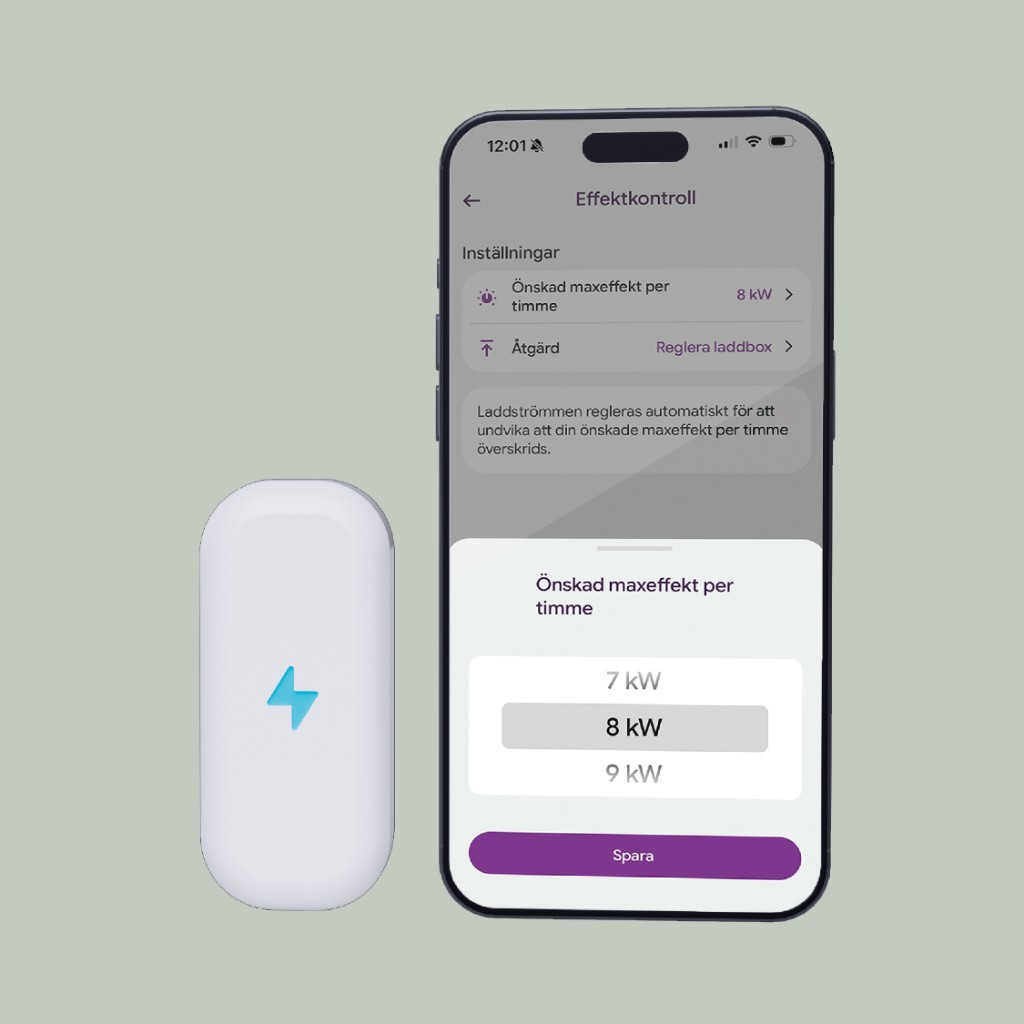
Power control follows the home's hourly average power and the customer's chosen limit. When the limit is at risk, the app can warn or Power Flow can reduce EV charging.
See power controlEV customers compare more than the electricity price. With Smart Charging in your app, you get a concrete service to offer under your name.
You complement the electricity contract with Smart Charging in your app. The customer can plan charging around when the car should be ready and get help keeping charging costs down.
You give the customer a reason to use the app between invoices and contract renewals. Smart Charging helps get the car charged when it is needed.
Once the car is connected, you can offer load balancing and power control in the same app. If you later work with Power Flex, the app and EV charging are already in place.
The customer connects a compatible car or charger in the app and sets a charging plan.
Car brands











Laddboxar




We review the cars and chargers your customers use and how Smart Charging can fit your offering.
Book a demo